Flooring / Home Improvement
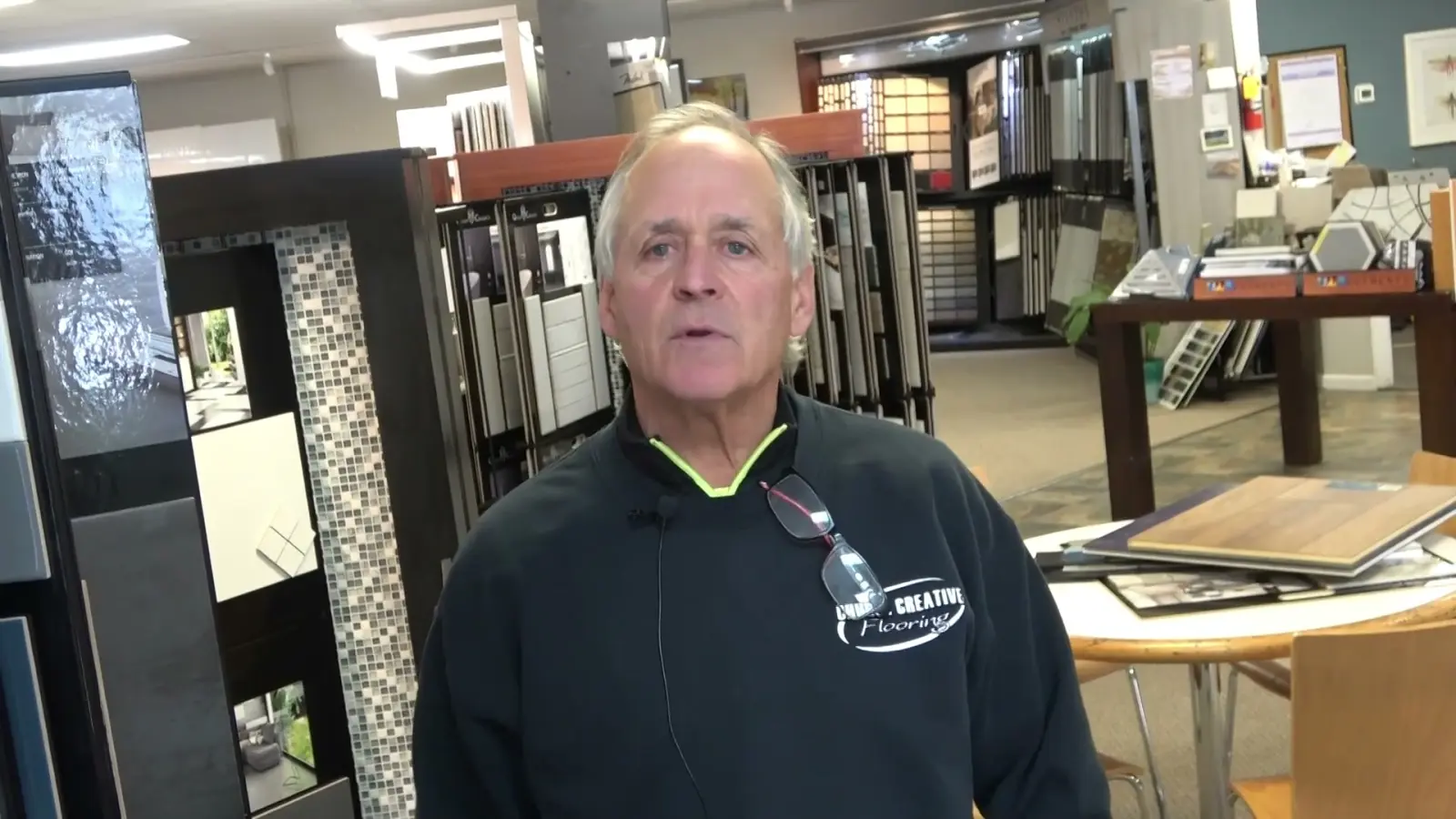
Within six to eight months, the business actually doubled in size … and then right after that, it actually tripled.
Mike Church
Church Creative Flooring
Read full story →
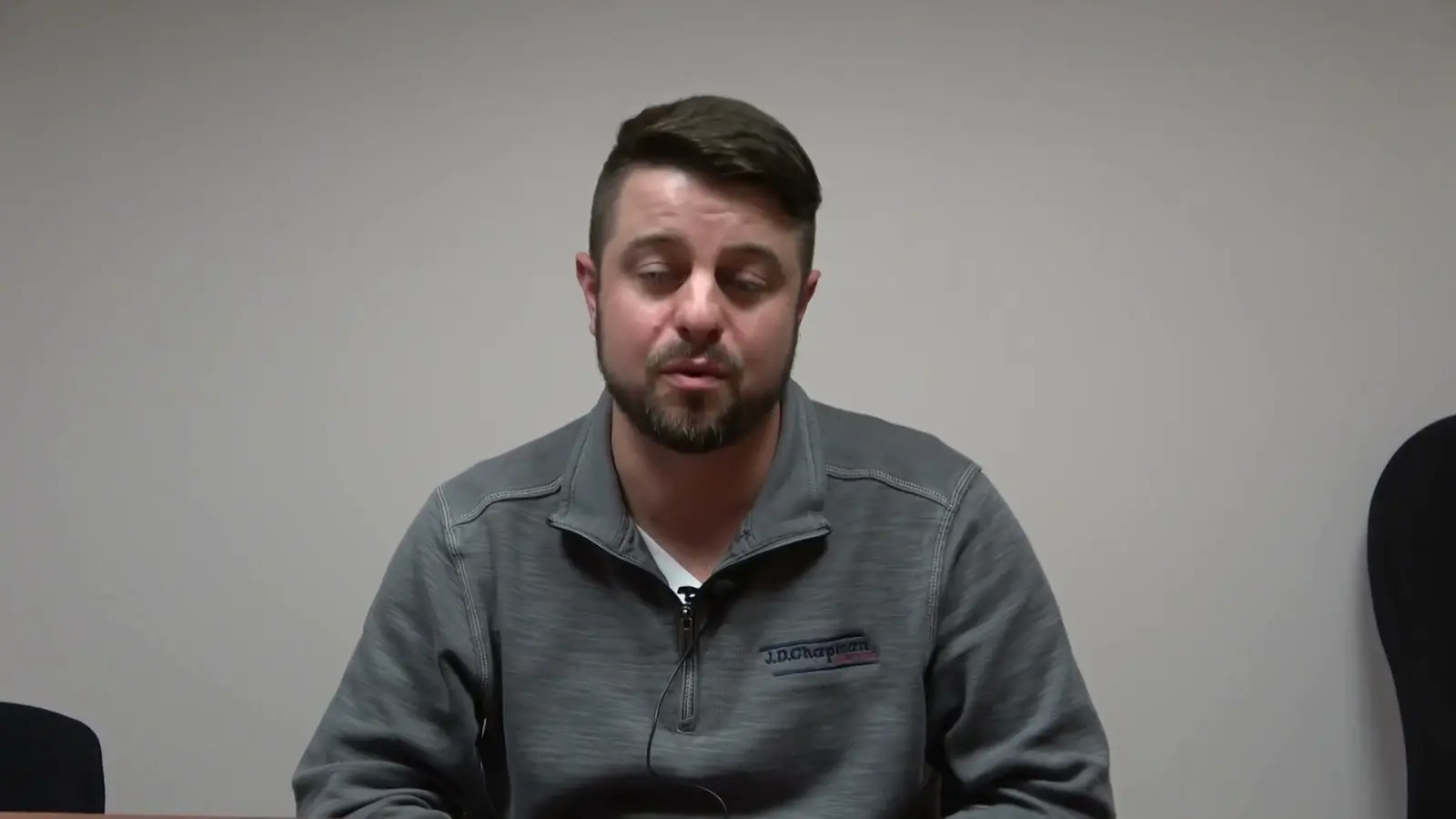
We actually found our newest salesperson through a radio advertisement … I would say that it’s certainly one or two times a week we get people that call in and then when I ask, they say, “Oh, I heard you on the radio. So I thought I’d give you a call.” And typically those leads convert at a higher rate just because I think they’d have a familiarity with us, just at least my voice.
JD Chapman Insurance has been part of the Finger Lakes community long enough to know that trust isn’t built in a single transaction. It’s built over time, through repetition, through recognition — the kind that happens when someone hears a familiar voice on the radio during their morning commute and thinks, I know them.
That familiarity is exactly what drew JD Chapman to advertising with FLX Local Media, and it’s what keeps them coming back. The agency runs both radio and digital, treating the two as a single, reinforcing system rather than separate line items on a budget. The thinking is straightforward: radio plants the name, and digital is there when someone goes looking.
“Once people hear you on the radio and then maybe they see you on the web while they’re searching — that consistency,” the agency’s representative explained. “Those leads convert at a higher rate just because I think they have a familiarity with us.”
Those leads convert at a higher rate just because I think they have a familiarity with us.
One or two times a week, the phone rings and someone on the other end says they heard JD Chapman on the radio. Those calls aren’t just leads — they’re warm ones, arriving pre-sold on the idea that this is an agency worth trusting. It’s a dynamic that national platforms struggle to replicate, and one that JD Chapman leans into deliberately.
“Advertising is nice because it’s local and I think our community especially likes that local touch,” they said. “It helps us compete with some of the bigger players.”
The agency also records its own radio spots, which means the owner’s voice — unhurried, recognizable, local — is what people actually hear. That personal quality travels. People stop to mention they recognized the voice. It registers in a way that a generic produced ad simply doesn’t.
The results have surprised even those who expected them. A recent radio campaign did something the agency hadn’t anticipated: it surfaced a job candidate. Someone heard the ad, liked what they heard, and reached out. That person is now on the JD Chapman team.
It reached the right ears.
The working relationship has been uncomplicated — responsive, low-friction, easy to sustain. And sustainability matters, because the medium rewards patience. Radio isn’t a switch you flip for a quarter and abandon. The agency learned this early.
“It’s tough to only do it for a short amount of time,” they acknowledged.
Some advertisers hesitate at radio, treating it as a relic. JD Chapman disagrees with that instinct plainly and without qualification.
Advertising on the radio is — some people think it’s dead. I don’t think that’s true at all. It reaches so many different people and so many different years.
For an insurance agency built on relationships and local reputation, that reach isn’t just a media metric. It’s the whole point.
Interviewer: Tell me about your advertising — both radio and digital. How does it work for you?
JD Chapman: We do some digital advertising. It's been a big initiative of ours recently. We've been using FLX Digital to help drive traffic to our website to produce more leads and write more business. So that's been a good success for us so far. When people hear you on the radio and then maybe see you on the web while they're searching for things — and they see that consistency, they see where we're located, they see that we're local — I think that gives us a good shot at bringing their business to us.
Interviewer: How has it been working with the team?
JD Chapman: It's been very simple. John has been responsive. We love recording our own radio ads. And the brand recognition — having our name out there on a consistent basis — is something we really value working with you guys. Consistency is highly important, just to keep that brand recognition out there and keep your name front of mind, front of people's mouths. It's been great to have that.
Interviewer: Do you have any specific results you can point to?
JD Chapman: We actually found our newest salesperson through a radio advertisement. It reached the right ears — they reached out, we made them an offer, and now they're an employee of ours. It actually worked out really well. They're still with us and loving the job. I would say that one or two times a week we get people who call in, and when I ask, they say, "I heard you on the radio, so I thought I'd give you a call." Those leads tend to convert at a higher rate, because I think they come in with a familiarity — at least with my voice. It seems to convert at a higher rate once people have come in through the radio ads.
Within six to eight months, the business actually doubled in size … and then right after that, it actually tripled.
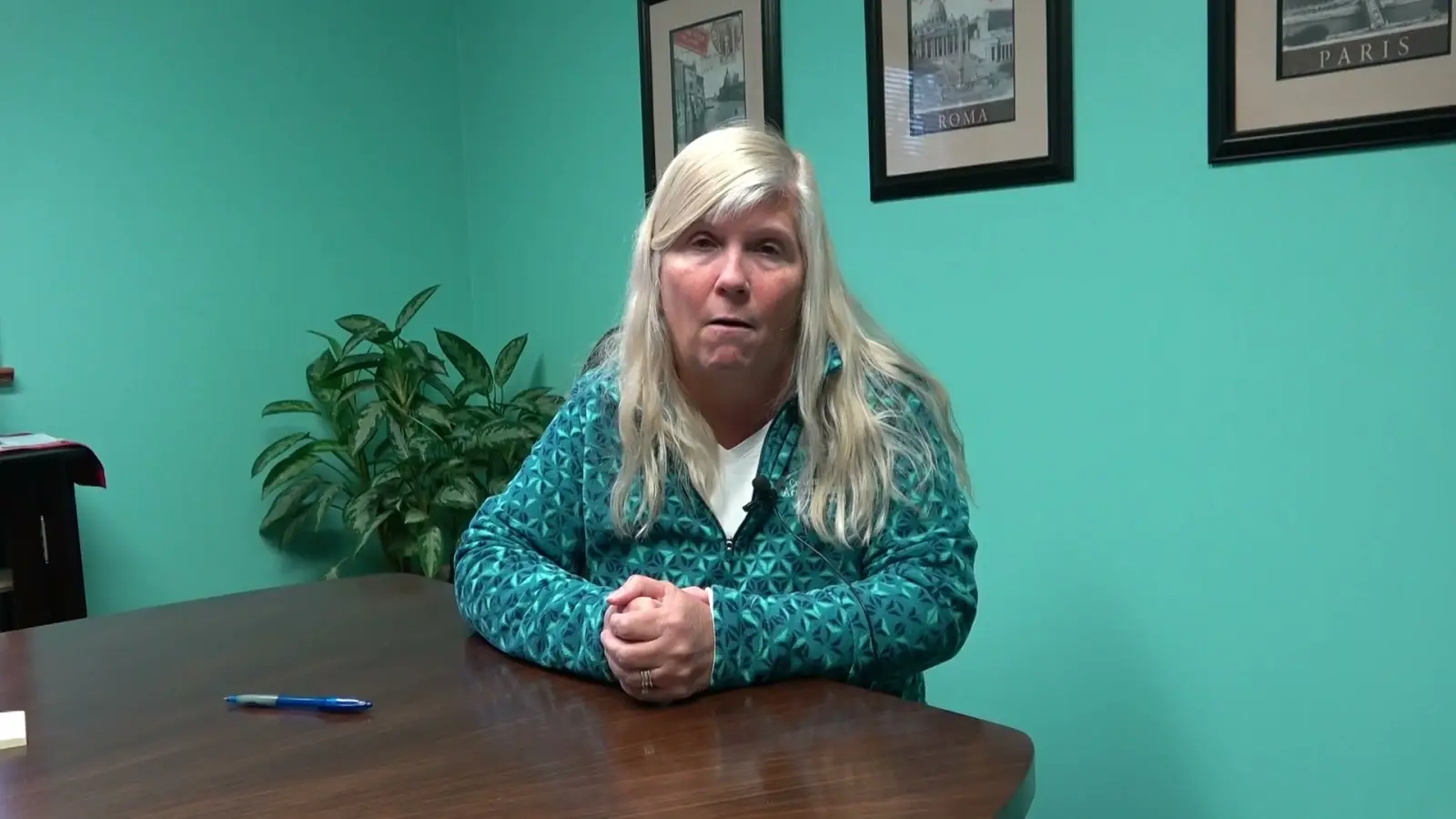
The number of people that walk through the door and say, “Oh, I heard your ad on the radio.” It proves to me that [radio] works.
The creativity and the personal attention you get from FLX Local Media is by far the best we’ve encountered in our 80-year history.